Pest Control Companies Are Adopting Microwave Tech — Here’s Why

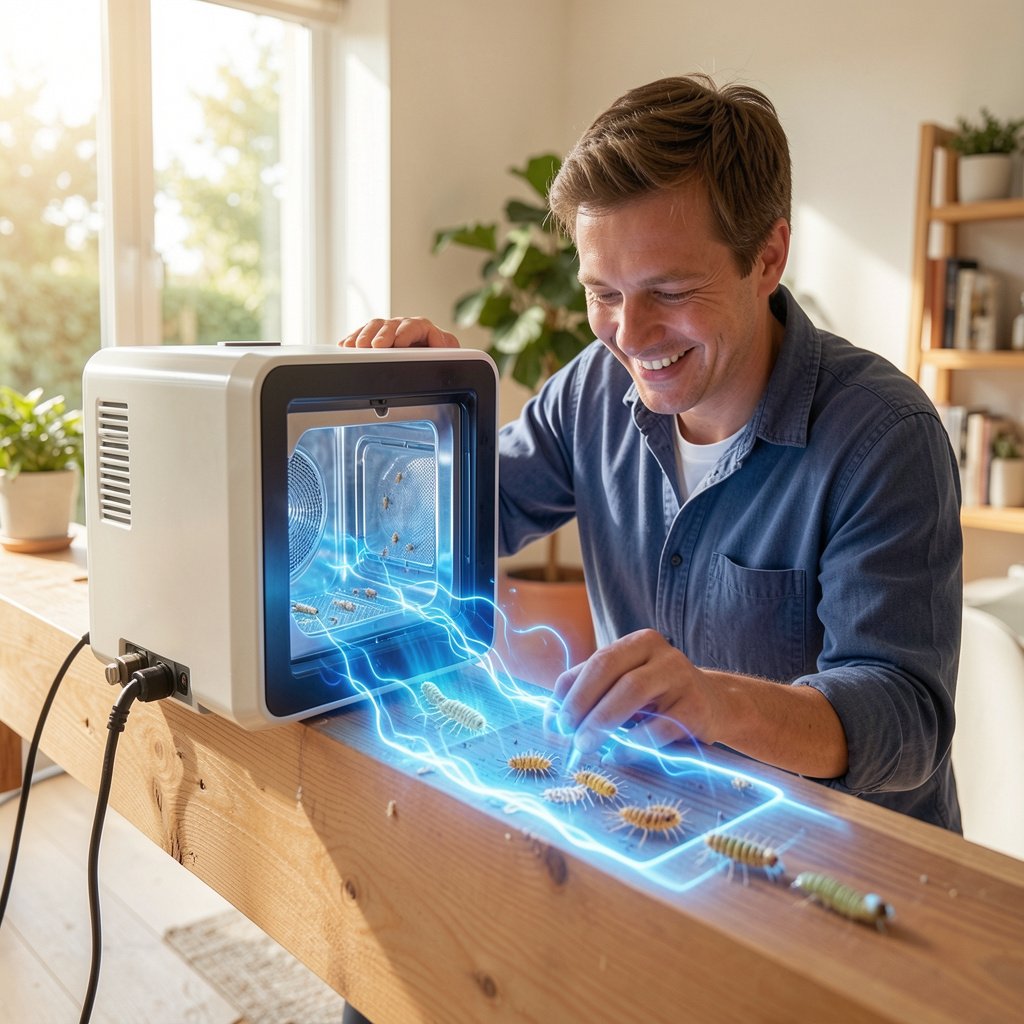
The pest control industry has evolved significantly over the past decade. As customers increasingly seek environmentally responsible, effective, and minimally invasive solutions, companies are expanding beyond traditional chemical treatments to embrace innovative technologies. One of the most exciting developments in woodworm control is the use of professional microwave technology.
Microwave treatment provides a modern, chemical-free way to eliminate wood-boring insects hidden deep inside timber. Instead of relying on pesticides or fumigants, it uses controlled non-ionizing microwave energy to target active pests where they live. As a result, more pest control companies across Europe and other regions are incorporating systems like Shashel into their services to meet changing customer expectations and protect valuable wooden structures.
Changing Expectations in Pest Control
Today’s homeowners and property managers expect more than simply eliminating pests. They also want solutions that protect their property, minimize disruption, and reduce unnecessary chemical exposure.
Modern customers often prioritize:
- Environmentally responsible treatment
- Preservation of original timber
- Minimal disruption during the process
- Long-term protection
- Innovative, science-based solutions
These changing expectations are encouraging pest control companies to adopt technologies that offer greater flexibility than conventional methods alone.
The Limitations of Traditional Approaches
Chemical insecticides and fumigation continue to play an important role in integrated pest management. However, wood-boring insects present unique challenges because they spend most of their lives hidden inside timber.
Woodworm larvae may remain inside:
- Roof beams
- Floor joists
- Ceiling supports
- Wall framing
- Staircases
- Antique furniture
- Decorative woodwork
Because the insects are concealed beneath the surface, treatment methods must address infestations inside the wood rather than only on its exterior.
How Microwave Technology Works
Professional microwave systems use carefully controlled non-ionizing electromagnetic energy.
As the energy passes through the timber, it interacts primarily with moisture contained inside living insects.
Woodworm larvae naturally contain much more moisture than dry, seasoned wood.
This causes the insects to absorb microwave energy more efficiently, increasing their internal temperature until they can no longer survive.
The treatment can eliminate:
- Eggs
- Larvae
- Pupae
- Adult beetles present within the treated area
Because no chemical pesticides are required, microwave treatment represents a fundamentally different approach to wood preservation.
Why Pest Control Companies Are Making the Switch
Meeting Customer Demand
Many property owners actively seek alternatives to traditional chemical treatments.
Offering microwave technology allows pest control companies to serve customers who prefer chemical-free solutions.
Expanding Service Options
Adding microwave treatment enables companies to address a wider variety of woodworm infestations while selecting the most appropriate method for each project.
Rather than replacing every traditional technique, microwave technology becomes another valuable tool available to trained professionals.
Supporting Sustainable Practices
Environmental responsibility has become increasingly important throughout the building maintenance industry.
Reducing pesticide use aligns with sustainability goals while giving customers additional treatment options.
Ideal for Heritage and Restoration Projects
Historic buildings require exceptional care because original timber often cannot be replaced without affecting authenticity.
Microwave technology is especially valuable for:
- Churches
- Museums
- Castles
- Historic homes
- Libraries
- Timber-framed buildings
- Heritage restoration projects
Because Shashel uses controlled microwave energy instead of chemical coatings, it supports conservation efforts focused on preserving original materials whenever possible.
Greater Precision
One of the major advantages of microwave technology is its targeted application.
Instead of applying chemicals throughout large areas, technicians can focus treatment on the affected timber.
This precision helps reduce unnecessary intervention while addressing active infestations where they exist.
Benefits for Customers
Homeowners appreciate solutions that combine effectiveness with convenience.
Professional microwave treatment offers several practical benefits:
- Chemical-free operation
- No pesticide residues
- No toxic fumigants
- Targeted treatment
- Preservation of valuable timber
- Environmentally responsible technology
These advantages help pest control companies deliver services that align with modern customer expectations.
Suitable for Many Types of Properties
Microwave technology is used in a wide range of settings, including:
- Residential homes
- Apartment buildings
- Historic churches
- Museums
- Commercial offices
- Hotels
- Schools
- Agricultural buildings
- Roof structures
- Antique furniture
Its versatility makes it a valuable addition to professional pest management services.
A Competitive Advantage for Professionals
As the pest control industry becomes more competitive, companies benefit from offering specialized services that distinguish them from standard treatment providers.
Adding microwave technology allows businesses to:
- Expand their expertise
- Serve new market segments
- Support heritage conservation projects
- Offer environmentally responsible solutions
- Demonstrate investment in modern technology
For many companies, adopting systems like Shashel represents not only a technical improvement but also a business opportunity.
The Importance of Professional Training
Microwave treatment is professional equipment that requires appropriate training and careful planning.
Before treatment begins, technicians evaluate factors such as:
- The type of timber
- Moisture conditions
- Extent of the infestation
- Accessibility
- Nearby building components
- Treatment objectives
This assessment helps ensure that each treatment is tailored to the property’s specific needs.
Looking Toward the Future
The future of pest control is likely to include a broader range of technologies working together.
Rather than relying exclusively on chemical treatments, professionals increasingly combine:
- Preventive maintenance
- Inspection
- Monitoring
- Targeted treatment technologies
- Sustainable preservation practices
Microwave technology fits naturally into this integrated approach by providing an additional option for addressing active wood-boring insect infestations.
Why Shashel Stands Out
Shashel has helped advance microwave woodworm treatment by developing equipment focused on precision, efficiency, and timber preservation.
Its technology supports professionals who want to:
- Eliminate active wood-boring insects
- Preserve original timber
- Reduce dependence on chemical pesticides
- Expand their service capabilities
- Deliver innovative solutions to customers
As more pest control companies recognize these advantages, microwave treatment continues to gain acceptance as a valuable addition to modern wood preservation.
Conclusion
The pest control industry is changing as customer expectations, environmental priorities, and technology continue to evolve. While traditional chemical treatments remain valuable in many situations, professional microwave technology offers an innovative alternative for eliminating active wood-boring insects hidden inside timber.
